After an Aurora motorcycle crash, questions about speed, visibility, helmet use, and lane position may shape the entire claim. An Aurora motorcycle accident lawyer at Legal Help in Colorado investigates those disputes using roadway evidence, witness accounts, vehicle data, and Colorado traffic law.
If an insurer has already questioned your riding conduct, those allegations need to be tested against the physical evidence. Call (303) 351-2567 for a free consultation — we are available 24/7 and work on a contingency-fee basis.
Why Choose Legal Help in Colorado for a Motorcycle Claim?
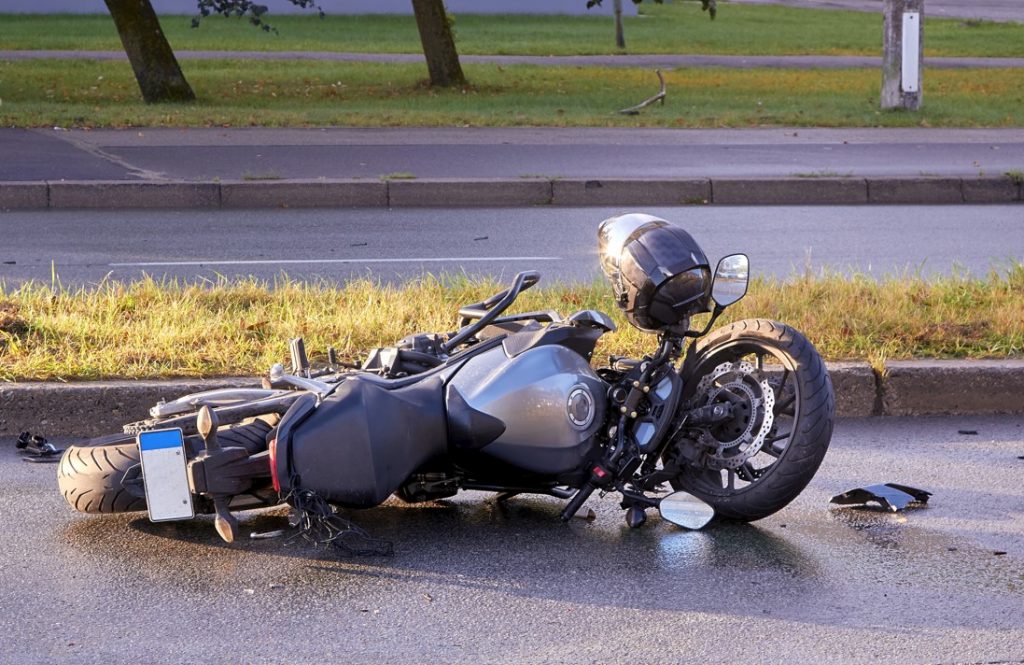
Motorcycle claims raise specific defense arguments: that the rider was traveling too fast, that the motorcycle was hard to see, that a helmet would have prevented the injury, or that the rider filtered through traffic illegally.
Our attorneys spent years in insurance defense before representing injured people. That background means we recognize these arguments and know what evidence tests them, including reconstruction analysis, biomechanical review, video, and vehicle data.
When a driver’s account conflicts with the physical evidence, we develop the factual record through independent investigation and retain qualified professionals when the case calls for it. The firm has recovered a $10.5 million verdict and a $2 million settlement, among other outcomes. Past results do not guarantee future outcomes.
Every consultation is free, and you pay no attorney fees unless we recover compensation. Call (303) 351-2567.
What Happens When the Driver Says They Did Not See You?
“I didn’t see the motorcycle” is one of the most common statements drivers make after hitting a rider. That statement does not automatically excuse the driver. Visibility may have been affected by lighting, obstructions, lane position, speed, road geometry, weather, or surrounding traffic.
The investigation examines whether the driver had a reasonable opportunity to see the motorcycle before acting. These disputes follow recognizable patterns, and each one requires different evidence to evaluate.
| Disputed Issue | What May Be Alleged | Evidence That May Clarify It |
| Rider speed | The motorcycle approached too quickly | Video, witness accounts, damage analysis, reconstruction |
| Visibility | The driver did not see the motorcycle | Sight-distance analysis, lighting, lane position, video |
| Left turn | The rider had time to avoid the vehicle | Signal timing, vehicle positions, braking evidence |
| Lane filtering | The rider was illegally passing traffic | Traffic conditions, speed, lane position, Colorado filtering law |
| Helmet use | Lack of a helmet caused or worsened injury | Injury type, medical evidence, biomechanical analysis |
| Comparative fault | The rider’s conduct contributed to the crash | Full scene evidence, vehicle data, witness testimony |
An allegation is not proof. Each dispute turns on what the available evidence actually shows.
Left-turn and failure-to-yield crashes
A driver turning left across oncoming traffic may misjudge the motorcycle’s speed or fail to register it entirely. Left-turn crashes arise on roads like East Colfax Avenue, Parker Road, and East Mississippi Avenue where turning traffic crosses multiple lanes. Damage patterns, braking marks, and witness timing may contradict the driver’s version of events.
Lane-change and blind-spot collisions
On I-225 and E-470, vehicles changing lanes may move into a space a motorcycle already occupies. The investigation may examine whether the mirror check was adequate and whether the driver had sufficient time and visibility to detect the rider. Vehicle damage location, lane markings, and available camera footage help establish what happened before the lane change.
Speed allegations and reconstruction evidence
Impact severity alone does not establish speed. Crash reconstruction, vehicle data, witness accounts, and video may establish actual speeds more reliably than either party’s memory. An Aurora, CO, motorcycle accident attorney may use these records to challenge an unsupported fault allegation.
Does Helmet Use Affect a Colorado Motorcycle Claim?
Colorado does not require adult motorcycle riders to wear helmets. C.R.S. § 42-4-1502 requires helmets only for operators and passengers under 18. An adult rider’s choice not to wear a helmet does not violate state law.
That does not prevent the opposing side from raising the issue. When a rider suffers a head injury, the insurer may argue that a helmet would have reduced the harm. The legal effect depends on whether qualified evidence supports the claimed connection between helmet use and the specific injury.
Helmet use ordinarily has no causal relationship to injuries such as a broken leg, spinal damage, or road rash. Even for head injuries, the connection requires medical or biomechanical support. Our attorneys address helmet arguments by examining the injuries, the treatment records, and whether admissible evidence supports the alleged link.
How Does Lane Filtering Affect Liability After a Crash?
Colorado permits motorcycle lane filtering under limited conditions, including stopped traffic and a statutory speed restriction for the motorcyclist.
CDOT distinguishes legal lane filtering from lane splitting: filtering allows motorcycles to pass slowly between stopped vehicles that are traveling in the same direction when statutory requirements are met. High-speed lane splitting through moving traffic is separate and prohibited.
After a crash, a driver may claim the rider was “weaving between cars” without distinguishing lawful filtering from prohibited lane splitting. The legal question is whether the rider met the statutory conditions at the time of the collision.
A rider who violated filtering requirements is not automatically at fault for the entire collision. The driver’s own conduct — moving from a stopped position, changing lanes, or narrowing the available space — may still be the primary cause. Both parties’ actions matter under Colorado’s comparative negligence rules.
How Does Shared Fault Affect a Motorcycle Claim in Colorado?
An insurer may question the rider’s speed, braking, helmet use, or lane position. If those allegations hold up, Colorado’s comparative negligence rule under C.R.S. § 13-21-111 applies.
The rule reduces the rider’s recovery by the percentage of fault attributed to the rider. Recovery is generally barred when the rider’s negligence equals or exceeds the negligence of the party being sued, though the analysis may become more complex when multiple defendants are involved.
A driver who turned left without yielding may still argue that the rider’s speed contributed to the crash. If the rider is ultimately found 25% responsible, the recoverable amount decreases by that same 25%. Skid marks, vehicle data, video footage, and reconstruction analysis establish speeds and reaction times more accurately than either party’s memory.
If fault is disputed in your claim, call (303) 351-2567 to discuss the evidence.
What Losses May an Aurora Motorcycle Accident Claim Address?
A motorcycle claim may address medical expenses, lost income, property damage, permanent impairment, and non-economic harm supported by the evidence. Without the protection of a vehicle frame or airbags, crashes often produce fractures, road rash, spinal injuries, traumatic brain injuries, and nerve damage.
Documenting medical treatment and ongoing care
Treatment may begin at an Aurora-area trauma center and continue through surgery, rehabilitation, or specialist care. Emergency records establish the initial diagnosis, but the longer-term treatment picture often matters more. Follow-up imaging, surgical notes, rehabilitation plans, and specialist referrals document how injuries develop over weeks and months.
A significant or unexplained treatment gap may lead to questions about causation, severity, or recovery. Maintaining consistent treatment and keeping records organized strengthens the documentation.
Long-term and permanent losses
An Aurora motorcycle accident claim may address losses beyond immediate medical bills, including:
- Medical expenses from emergency care through rehabilitation and projected future treatment
- Lost wages and reduced earning capacity tied to lasting physical limitations
- Motorcycle repair or replacement and damaged riding gear
- Pain, suffering, emotional distress, permanent impairment, and disfigurement
- Wrongful death losses when a collision is fatal
Colorado limits certain non-economic damages under C.R.S. § 13-21-102.5. The cap varies based on the claim type and when the injury occurred. Connecting each loss to medical, employment, and financial records strengthens the claim at every stage.
What Insurance Applies After an Aurora Motorcycle Crash?
The at-fault driver’s bodily injury liability coverage is the usual starting point. Colorado requires minimum coverage of $25,000 per person. For a motorcycle rider facing surgery, rehabilitation, and months away from work, that amount may fall far short of documented losses.
When the driver’s policy is insufficient, the rider’s own uninsured or underinsured motorist coverage under C.R.S. § 10-4-609 may provide additional recovery. Colorado generally requires insurers to offer UM/UIM coverage, but the named insured may reject it in writing. Not every motorcycle policy includes it.
Several types of coverage may apply to an Aurora motorcycle crash claim:
- The at-fault driver’s bodily injury liability insurance
- The rider’s own uninsured or underinsured motorist coverage
- Medical payments coverage on the rider’s policy
- Household or family auto policies that may cover the rider
- Additional coverage when the at-fault driver was working or operating a company vehicle
Whether any listed coverage applies depends on the policy language, insured parties, and applicable exclusions. Identifying every applicable policy early affects what recovery may be available.
Hit-and-run and coverage gaps
A hit-and-run crash leaves the rider with no at-fault driver’s policy to pursue. UM coverage on the rider’s own policy may provide coverage when no at-fault policy has been identified.
Our Aurora personal injury attorneys evaluate every available policy and help identify coverage that the rider may not realize applies. The firm also handles other motor vehicle accidents and Colorado motorcycle accident claims statewide.
Where Do Aurora Motorcycle Crashes Raise Liability Questions?
Loose gravel from winter road treatment, construction debris on Chambers Road or Tower Road, and standing water after sudden rain may all become factors in a crash investigation. The question is whether a hazardous condition contributed to the collision and who bears responsibility for that condition.
Commercial traffic on I-70, I-225, and E-470 creates additional lane-change and merge interactions for riders. APD’s highway traffic enforcement team covers I-225 and I-70 within city limits. CDOT reported an increase in early-2026 motorcycle fatalities statewide, noting that Colorado’s riding season is not confined to summer months.
Investigating agencies and crash records
The Aurora Police Department or Colorado State Patrol may investigate, depending on location and jurisdiction. Crash reports, body-camera footage, witness statements, and available traffic or surveillance video form the initial evidence record.
Aurora spans Arapahoe, Adams, and a portion of Douglas County. The proper venue for a lawsuit depends on where the crash occurred, where the parties reside, and Colorado procedural rules.
Filing deadlines
Colorado generally applies a three-year statute of limitations to motor vehicle injury claims under C.R.S. § 13-80-101. Claims against government entities may require written notice within 182 days under C.R.S. § 24-10-109. Video footage, vehicle data, and physical road evidence may become harder to obtain as time passes, making the practical window for investigation shorter than the legal deadline.
FAQs for Aurora Motorcycle Accident Claims
What if a road hazard caused or contributed to the crash?
A claim may be possible, but responsibility depends on who controlled the roadway, what created the condition, notice, governmental immunity, and applicable deadlines. Government claims often require written notice within 182 days under C.R.S. § 24-10-109 and follow strict procedural requirements.
Does my motorcycle endorsement status affect the claim?
Lack of an endorsement does not automatically establish fault. Its relevance depends on whether it has a causal connection to the crash and the rider’s conduct. The central question remains whether the other party’s negligence caused or contributed to the collision.
Can a motorcycle passenger file an injury claim?
Yes. A motorcycle passenger who is injured in a crash may pursue a claim against any negligent party, including the other driver or the motorcycle operator in some situations. Available compensation depends on fault, applicable insurance, and documented injuries.
Do I need a lawyer after an Aurora motorcycle crash?
The answer depends on what is disputed. A minor scrape with no injury and clear fault may resolve without representation.
When speed, visibility, helmet use, or lane filtering is contested, or when injuries are serious, an attorney obtains records, evaluates coverage, retains qualified professionals, and responds to disputed-fault arguments. A free consultation helps clarify whether representation fits your situation.
Talk to a Motorcycle Injury Attorney in Aurora, Colorado
Rider-fault allegations, helmet arguments, speed disputes, and limited insurance are not reasons to walk away from a valid claim. They are reasons to have the evidence reviewed before accepting an insurer’s position.
Legal Help in Colorado offers free consultations for Aurora motorcycle crash claims. We pursue compensation supported by the evidence on a contingency-fee basis. You owe no attorney fees unless we recover on your behalf.
Call (303) 351-2567 any time. You may also reach us through our contact page.